Tag Archive for: Infertility treatment

In Vitro Fertilization

In Vitro Fertilization

What is IVF?

IVF is a technique that helps the embryo fertilize, grow, and eventually implant in the mother’s uterus, so you can get pregnant. IVF stands for in vitro fertilization. It is one of the most well-known types of assisted reproductive technology (ART). IVF uses a combination of medications and surgical procedures to help sperm fertilize an egg after ovulation and help the fertilized egg implant in the uterus.


Steps to IVF

  1. Ovulation Stimulation: First, the woman is given medications that stimulate ovulation. The first step in IVF is to use fertility drugs for a specific period of time to help the ovaries produce several mature eggs that are ready for fertilization. This is also called ovulation induction. During this time, regular ultrasounds or blood tests are done to measure hormone levels.
  2. Ovulation: When the ovaries have produced enough mature eggs, the physician removes them from the body (this is called ovulation or puncture). Egg retrieval is a minor surgical procedure performed by a fertility clinic. This surgery is performed under anesthesia or sedation so that the patient does not feel any pain during the surgery. Using ultrasound, the physician inserts a thin, hollow tube through the vagina into the ovaries and the follicles that hold the eggs. This tool is equipped with a needle that gently draws the eggs from each follicle using suction.
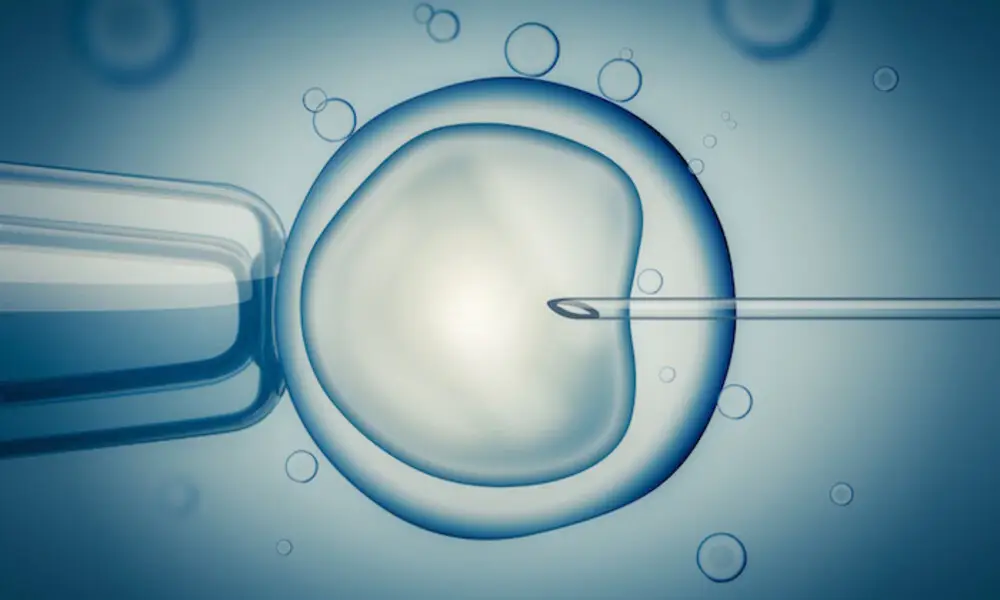
  3. Fertilization: After these eggs mature, they are ready for fertilization. The eggs are then removed from the uterus and placed next to each other in a laboratory with sperm (your partner) so that the sperm can fertilize the eggs. This process is called fertilization. The eggs and sperm are collected in a special container and fertilization occurs. For sperm that are less mobile, the sperm may need to be injected directly into the eggs to enhance fertilization. As the cells in the fertilized eggs divide and develop into embryos, people working in the lab monitor the progress.
  4. Embryo Transfer: About 3-5 days after ovulation, the embryos are placed in the uterus (this is called embryo transfer). The physician inserts a thin tube through the cervix into the uterus and transfers the embryos directly through the tube. They place one or more embryos directly into the uterus. Pregnancy occurs if any of the embryos implant in the lining of your uterus.
 

In Vitro Fertilization

In Vitro Fertilization

Sometimes pregnancy occurs on the first IVF cycle, but some people need more than one IVF cycle to get pregnant.


Is IVF painful?

If any of the embryos implant in your uterine lining, pregnancy will occur. Embryo transfer is done at a fertility clinic and is not painful.


Post-IVF Infertility Treatment Care

Plan to rest the day after your embryo transfer. You can then return to your normal activities. You may also take special pills or take a daily hormone called progesterone for the first two weeks after the embryo transfer. These hormones help the embryo survive in the uterus.


What are the side effects of IVF?

Like all medications and medical procedures, IVF has potential risks and side effects, including:

  • Bloating
  • Muscle cramps
  • Breast tenderness
  • Mood swings and psychological problems
  • Headache
  • Bruising
  • Allergic reactions to medications
  • Bleeding
  • Infection


*There have been many systematic reviews of the psychological aspects of IVF, studying IVF as an important psychological issue that affects the functioning of individuals, couples, and their families.


You can discuss any questions or concerns you have about IVF risks and side effects with your physician.

How much does IVF cost?

The cost of the IVF process includes the cost of ovulation induction drugs, anesthesia, ultrasounds, blood tests, embryo transfer, and embryo storage. Click here to learn more about the services of Amin Infertility Treatment Center.


Risk of Multiples in IVF

The risk of multiples in IVF (in vitro fertilization) is significantly higher than in natural pregnancy. This is due to the method used in IVF. In IVF, multiple eggs are fertilized and several embryos at different stages of development are transferred to the uterus to increase the chances of implantation and pregnancy. Multiple Embryo Transfer (MET) is the main factor that increases the risk of multiples in IVF. The more embryos transferred, the higher the chance of a multiple pregnancy.
Menopause in women

Menopause in women

There are many surprises about the physical and mental structure of women, that active researchers in the fields of psychology and physical health are very interested in discovering the relationship between natural phenomena in the structure of women’s bodies and lives.

Contrary to the common belief of people who think of the human brain as an efficient organ separate from other parts of the body, the brain is completely in constant interaction and communication with other parts of the body. One of the parts that has a great impact on the brain of women is the reproductive system, which has an effect on the function and age of the brain of women due to the hormones it produces and secretes.

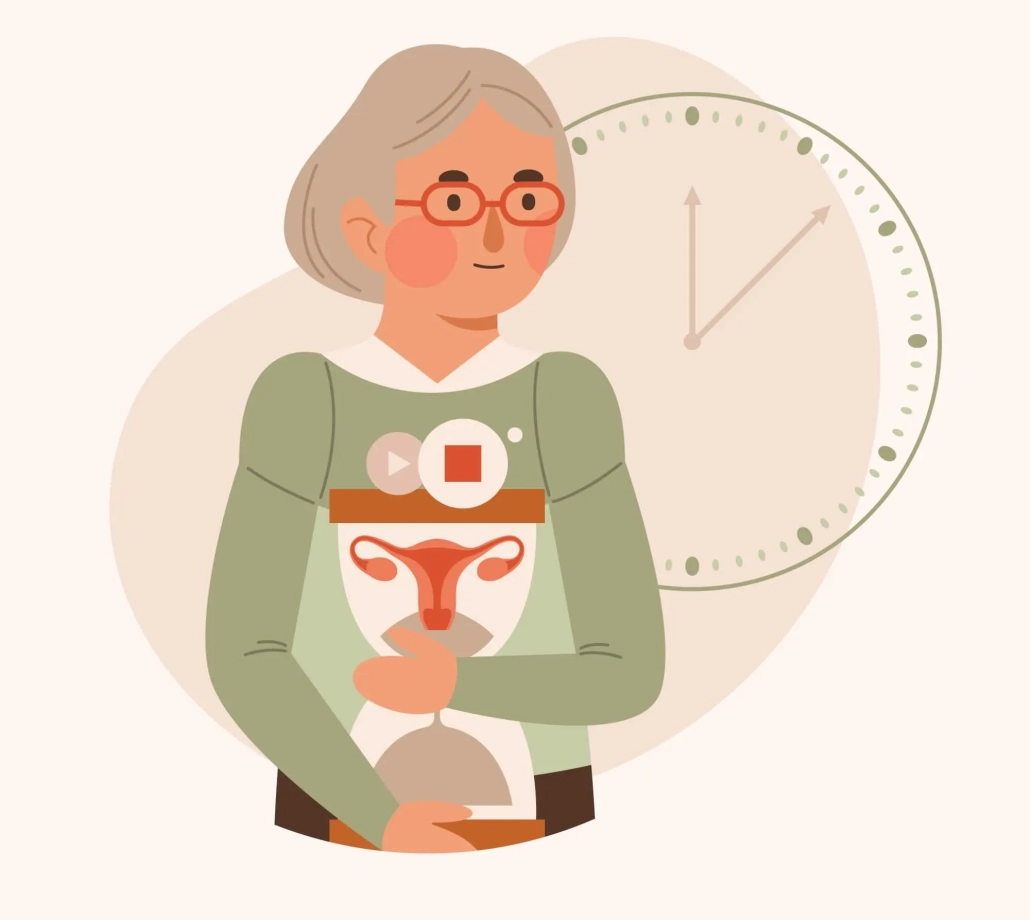
Menopause in women is one of the phenomena that make their physical conditions very different in middle age compared to men of the same age. These changes are the result of differences in their reproductive system and reproductive system.

Everything about the menopause process in women

In order to have a clear understanding of menopause in women, it is necessary to have a relative familiarity with the reproductive system and how it works.

Female reproductive system

The female reproductive system consists of ovaries, fallopian tubes, uterus and vagina.

Ovaries contain sex cells called ovules. In the process of reproduction, the ovum combines with male sex cells (sperm) and forms an egg cell.

Ovaries release one egg every month, and the released egg enters the uterus through the fallopian tube.

The fallopian tube is actually a tube that connects the ovaries to the uterus, and there are cilia in its inner wall, the movement of these cilia is used to guide and move the egg, because eggs, unlike sperm, are cells. They are a big circle that can be seen with the naked eye and inside it contains nutrients for a possible egg cell. Among its other differences with sperm, we can point out that it does not have an organ to move and the inability to move spontaneously.

The uterus is the organ in which the formed egg cell is placed and is responsible for feeding and protecting the fetus.

Menstrual cycle in women

From the age of ten to fourteen, women’s bodies enter the puberty process and sex hormones are secreted from the ovaries under the command of the brain. Ovaries secrete estrogen and progesterone hormones, these hormones cause changes such as the increase in the size of the breasts, the growth of extra hair, etc. In puberty, these two hormones control the menstrual cycle and the ovulation process.

Menstruation is actually the shedding of the uterine wall that was prepared for a possible pregnancy.

With the release of estrogen from the ovary, ovulation takes place, and the released egg helps intensify the secretion of estrogen and start the secretion of progesterone, as a result, the wall of the uterus becomes thick and thick to protect and nourish the formed egg cell. When fertilization does not take place, the egg is excreted, and with the decrease in estrogen and progesterone secretion, the uterine wall collapses, and tissues and blood vessels are excreted from the body through menstruation.

Menopause process in women

Every woman is born with all the eggs that she is going to release during her life, and every month one of the eggs, which was stopped in zero state of meiosis division, starts to complete the division and is released during the ovulation process. This process is repeated monthly in the body of women until the age of 45 to 55 years.

When a person reaches this age range, the ovaries do not respond to the stimuli sent from the brain to secrete estrogen and progesterone hormones, and the process of ovulation and menstruation stops, which leads to menopause and infertility.

Menopause symptoms in women

  • Menopause occurs when the estrogen and progesterone hormones in women decrease, and the changes caused by this event include: negative changes in women’s mood, feeling hot and hot flashes, dryness in the vagina, and an abnormal increase in the secretions of the sweat glands.

Reduction of menopausal symptoms

When a person approaches menopause, symptoms such as hot flashes, night sweats, physical changes such as depression, vaginal dryness, urgent need to urinate, etc.

Now, to reduce these symptoms, you can use natural methods, which include the following.

  • Be sure to eat foods rich in calcium and containing vitamin D.
  • Try to always keep your weight stable so that the symptoms of menopause will decrease.
  • Don’t forget to eat fruits and vegetables because it helps to reduce the symptoms of menopause and also prevents the loss of bones.
  • Avoid caffeine, alcohol and sweet and spicy foods.
  • Do not forget to exercise because it greatly reduces the symptoms of menopause, including sweating and hot flashes, and helps the health of the bones and joints of the body.
  • Drink enough water throughout the day.
  • Try to consume more proteins such as meat, fish, eggs, etc.

Complications after menopause in women

Menopause in women is a background for diseases such as osteoporosis, because the decrease in estrogen levels in women’s bodies causes a decrease in bone-forming cells, and the possibility of developing osteoporosis increases.

Benefits of menopause in women

In addition to the complications that menopause may have, it also has benefits that can be mentioned below.

Stopping menstruation

There are some people who have a difficult period, menopause can help a lot to end this difficult period.

Not having to worry about sex

As it was said, reproduction also stops with menopause, this does not mean that you don’t have sexual desire, because you can enjoy sex during menopause. Also, one of the problems of women is getting pregnant during sex, menopause in women makes them stop worrying about this issue.

Destruction of fibroids

Fibroids are benign tumors, when you approach menopause, the level of estrogen increases and this leads to the termination of fibroids, in this case, surgery is no longer necessary.

End of migraine

Migraines are more common in women than men, usually most women suffer from migraines during menstruation. When ovulation begins, a person suffers from migraine headaches, which are only in one part of the head and are accompanied by nausea, vomiting, and sensitivity to light, which also resolves with the onset of menopause.

Artificial fertilization with IVF

Artificial fertilization with IVF

Artificial fertilization (IVF) is a technique that helps the embryo to fertilize, develop, and eventually implant in the mother’s uterus, so you can become pregnant.IVF stands for In-vitro . This method is one of the most well-known types of reproductive technology (ART). IVF is performed using a combination of drugs and surgical procedures to help fertilize the sperm with the egg after ovulation and help implant the embryo in the uterus.

Procedures for artificial fertilization with IVF:

1. Ovulation stimulation

First, the woman is prescribed drugs that stimulate ovulation. The first step in IVF is to use fertility drugs for a certain period of time to help the ovaries produce several mature eggs ready for . This is also called ovulation induction. During this period, regular ultrasound or blood tests are performed to measure the amount of hormones.

2. Ovulation

When the ovaries have produced enough mature eggs, the physician removes these eggs from the body (this procedure is called puncture). Egg retrieval is a minor surgical procedure performed in a fertility clinic. This surgery is performed under anesthesia so that the patient does not feel pain during the surgery. Using ultrasound, the physician inserts a thin, hollow tube through the vagina into the ovaries and follicles that hold the egg. This tool is equipped with a needle that gently pulls the eggs out of each follicle using suction.

3.Fertilization

After these eggs mature, they are ready for . Then the eggs are removed from the uterus and they are placed next to each other with the sperm (husband’s sperm) in a laboratory so that the sperms fertilize the eggs. This process is called . Eggs and sperms are collected in a special container and  takes place. For sperm that have less motility, it may be necessary to inject sperm directly into the eggs to promote . As the cells in the fertilized eggs divide and develop into embryos, people working in the lab monitor the progress.

4. Embryo transfer

About 3-5 days after ovulation, the embryo is placed in the uterus (this process is called embryo transfer). The physician inserts a thin tube into the uterus through the cervix and the fetus enters the uterus directly through the tube. They place one or more embryos directly into the uterus. Pregnancy occurs when each of the embryos implants in the lining of your uterus.

Sometimes pregnancy occurs on the first IVF, but some women need more than one cycle of IVF to get pregnant.

Does artificial fertilization with IVF hurt?

  • If any of the embryos implant in the lining of your uterus, pregnancy occurs. Embryo transfer is done in the fertility clinic and is not a painful procedure.

Care after infertility treatment with IVF:

Plan to rest the day after your embryo transfer. After that you can go back to your normal activities. Also, in the first two weeks after embryo transfer, you may take special pills or take hormonal drugs called progesterone daily. These hormones make the fetus survive in the womb.

What are the side effects of IVF?

Like all medications and medical procedures, IVF has risks and possible side effects, including:

  • Flatulence
  • Muscle cramps
  • Sensitivity in the breast
  • Mood swings
  • Headache
  • Bruising
  • Allergic reaction to drugs
  • Bleeding
  • Infection


You can talk to your physician about any questions or concerns you have about IVF risks and side effects.

How much does IVF cost?

The cost of the IVF process includes the cost of ovulation stimulation drugs, anesthesia, ultrasounds, blood tests, embryo transfer and embryo storage.

The role of genetics in infertility

The role of genetics in infertility

One of the problems that may arise between couples today is infertility and not having children. Infertility may be caused by various reasons. One of the things that may cause this disease is genetic disorders and defects among men and women. If you have no information about the role of genetics in infertility, be sure to stay with us until the end of the article.

Unfortunately, between 10 and 15 percent of Iranian couples are infertile. Statistics show that the cause of infertility in more than half of couples is due to defects in the production or transfer of sperm in men. Humans have complex biological components, and some of these complex components can affect reproduction. If some of these components cannot function properly, genetic problems cause infertility. Diseases related to genetics are such that there is either a chromosomal defect, or they are monogenic. As a result, some chromosomal defects lead to infertility.

A definition of genetics is the transmission of traits from one generation to another. Genetics in the field of infertility is divided into two parts, male and female. If a certain chromosome is missing in men, they suffer from infertility. If the same chromosome is more common among women, women will suffer from this disease. Now let’s see what is the role of genetics in infertility.

What is the role of genetics in infertility?

It should be said that the effect of genetics on infertility is divided into two categories, which includes the effect of genetics on men and women. The most important role of genetics in infertility is to be able to know the genetic causes of infertility. On the other hand, we should know how to give birth to a healthy child. If we understand the importance of genetics in infertility, we can prevent the birth of a disabled baby. Infertility is a disease caused by various factors. One of the causes of this disease is genetic factors. An important point is that one of the simplest and cheapest ways to diagnose genetic disorders is counseling in this field.

What is the role of genetics in female infertility?

Among the causes and factors of infertility in women, we can mention hormonal problems as well as the abnormality of the female sex cell (egg). Genetic factors can cause this problem, may even affect them. Genetics is very effective on female infertility (Turner syndrome). Fertilization as well as pregnancy can be reduced due to genetic abnormalities.

The role of genetics in female infertility can be explained by the following genetic defects and mutations:

1- Mutations in genes related to coagulation factors and blood hemoglobin, which lead to frequent miscarriage, late puberty and infertility.

2- Aneuploidy or (change in the number of chromosomes) that leads to infertility or premature menopause.

3- Some syndromes that are caused by genetic defects and cause infertility in women.

What is the role of genetics in male infertility?

Among the causes of infertility in men are:

Congenital disorders in the reproductive system

Mumps disease

Genetic disorders

Autoimmune diseases


About 30% of men suffer from infertility due to genetic defects. In addition, genetic disorders created among men in 30% of cases make men infertile.

When genetic disorders and chromosomal defects occur, they cause the loss of sperm or its reduction, as well as the abnormal shape of sperm and changes in its movement. Among the most important genetic disorders that cause infertility in men, the following can be mentioned:

1- The number of sex chromosomes or the structure of sexual and non-sexual chromosomes of men is defective.

2- The anatomical structure of the male reproductive system is defective.

Special and necessary action before pregnancy

Does every woman who wants to get pregnant need to see a specialist and take special measures?


Greetings. I am Dr. Zahra HeshmatiFar. Gynecologist. Here is Amin fertility Clinic. We are active in field of IVF and alternative methods of pregnancy.

The question that couples commonly ask is, should we go to a gynecologist before trying to conceive? In fact, the answer is yes. Every woman who gets married and plans to get pregnant should see a gynecologist and if necessary, undergo necessary tests, ultrasound and related examinations, and we recommend that they take folic acid supplements three months before conception in order to have healthy embryo and a healthy child in the future.

Another common question is how much time should pass since trying to get pregnant without having any contraception for a couple and then when they must go to infertility clinics? We must say that if a couple tries to get pregnant for one year and have no contraceptive method, both the wife and the husband should go to infertility clinics for checkups, and if the woman is over 35 years old, this will be reduced by one year, it means we recommend that in women over 35 If don’t get pregnant after 6 months of trying to conceive, they should go to these clinics.

High risk pregnancy

High-risk pregnancy

High risk pregnancy

A High risk pregnancy is lurking

This article refers to the issue of high-risk pregnancy, which plays a very important role in the lives of couples who want to taste the sweet flavor of parenthood. Stay with us to provide you with information about this. Pregnancy may happen in special conditions or in the best infertility treatment center, but even in such conditions, we can say that there is a possibility of an accident in this pregnancy. That is why it is called high-risk pregnancy. When we say high-risk pregnancy, some mothers panic and think that something bad will happen, but in this situation, only special care should be taken and there is no need to worry or stress.

What does high-risk pregnancy mean?

A pregnancy is considered high-risk when a complication potentially threatens the mother or the fetus. In such a situation, the mother needs more care so that she can have a comfortable delivery, otherwise the mother or the fetus may be severely injured. Generally, such people are monitored more than anyone else, and their physical and mental condition is constantly checked.

Warning signs of high-risk pregnancy

If you are in this very sensitive situation, you should take any kind of symptoms seriously and see a gynecologist as soon as possible so that the risk of pregnancy can be reduced by clinical diagnosis and taking necessary measures. Among the symptoms indicating a high-risk pregnancy are as follows:

Persistent lethargy

Feeling severe pain in the abdomen or pelvis

Heavy vaginal bleeding

Abnormal discharge from the vagina

Rising body temperature

Severe headaches

Swelling in the hands, feet and face

Experiencing frequent abdominal contractions

Feeling of immobility of the fetus

What factors affect high-risk pregnancy?

There are some factors that can be very effective in a high-risk pregnancy, these factors are:

  • If the mother is suffering from diseases such as diabetes, cancer, blood pressure fluctuations, epilepsy and infectious diseases.
  • Mothers who are addicted to all kinds of drugs and alcohol will experience a high-risk pregnancy.
  • Mother’s age is one of the most common factors of high-risk pregnancy, mothers under 17 years old and over 35 years old are more likely to experience high-risk pregnancy.
  • Experiencing frequent miscarriages can also lead to multiple pregnancies.
  • Multiple fetuses

Medical care in high-risk pregnancy

In situations where women’s pregnancies are diagnosed as high-risk, it is very important to observe all medical care to prevent infection and complications during this period, including the following medical care:

  • To ensure the physical condition and health of the fetus, ultrasound will be prescribed frequently.
  • Blood pressure is also measured accurately, and for accurate calculation of low blood pressure or high blood pressure, you can write down the time and blood pressure level in a notebook.
  • It is very necessary to perform blood and urine tests to measure the amount of protein and vitamins of the mother or to diagnose a urinary tract infection.
  • In situations where the mother’s age is lower or higher than the permissible limit and there is also a history of genetic diseases and congenital defects in their family, the amniocentesis test, which is known as a diagnostic test for congenital defects, may be prescribed.


To control and manage a high-risk pregnancy, you should visit medical centers that are equipped with a high-risk pregnancy care department. You may also be hospitalized for some time to evaluate the health of the mother and the fetus.

Among the self-care solutions that reduce the symptoms of high-risk pregnancy, the following can be mentioned:

  • Having a healthy and light diet that includes a variety of vitamins and proteins can protect you from possible injuries.
  • You can use medicines containing vitamins such as iron tablets and effervescent capsules of various vitamins.
  • Avoid physical contact with people who have a virus or a cold.
  • You can use a suitable exercise program, do not neglect yoga, because it can be very effective in reducing stress and anxiety.

Important points about pregnancy

  • Many experts in the field of infertility believe that the best way to treat infertility can be ectopic fertilization, although it may be time-consuming, but according to recorded statistics, a high percentage of infertility treatments belong to this method.
  • If you have any special medical history, it is important to consult your physician before trying to get pregnant.
  • High-risk pregnancy can be managed and controlled with the methods we provide in this article.
  • Take seriously the physician’s care recommendations regarding the observance of principles in doing home activities.

Screening to detect high-risk pregnancy

The purpose of screening is to check health so that it can be determined whether the mother is exposed to a certain disease or not. Screening during pregnancy is done from the very first meeting, that is, when you visit the physician. These tests must be done during pregnancy. Among these tests are as follows:

  • Ultrasound
  • Blood and urine tests
  • Checking weight and blood pressure
  • Perform physical examinations and complete health checks


Encountering what symptoms do you need to see a physician?

If you have any problems during pregnancy, it is necessary to inform your physician about the issue in order to be sure of the health of you and your fetus. Followings are among the facing symptoms that you need to see a physician:

  • Having bleeding and watery discharge from the vagina
  • Having severe headaches
  • Feeling of pain or cramping in the abdomen
  • Incidence of fever and chills
  • Swelling of hands and feet
  • Having nausea and vomiting
  • Changes in vision

conclusion

Ladies who are planning to get pregnant, must try to get more information by studying topics like this and have a child with full knowledge. Also, please get help from good specialists so that the chances of suffering from such complications can be significantly reduced.

Surrogate Mother

Surrogate Mother

The purpose of writing this article is a complete explanation about surrogacy. If you do not have enough information about this topic, be sure to read this article until the end. Today, there are various methods for assisted reproduction, and surrogacy is one of these methods. This fertility method means that the surrogate woman will spend nine months of pregnancy.

Now, the question may arise in your mind, what is the method of fertility with a surrogate mother? In answer to this question, it should be said that for pregnancy, eggs and sperm must first be taken from the couple, and then an embryo is formed with the help of one of the assisted reproductive methods such as IVF.

What is a surrogate?

A fetus born by surrogacy is the result of the same genes as its biological parents. That is, after the embryo has grown enough in the laboratory, it should be transferred to the womb of the surrogate mother. After transferring the embryo into the uterus, the person who owns the uterus must take the necessary precautions and cares so that after the end of the pregnancy period, the preserved embryo can be safely delivered to its biological parents.

If you need to use assisted reproductive methods such as surrogacy for your pregnancy, using this method is a complex and difficult matter from a legal medical point of view as well as a mental one, which requires legal and psychological counseling before doing it. Therefore, it is recommended to do this in the best infertility center in Tehran to get the desired result.

In addition, you must note that couples who intend to use a surrogate must be in perfect physical and mental health.

The reason for using a surrogate

Among the main reasons for the need to use a surrogate are as follows:

  • Suffering from certain diseases, because it leads to problems in a person’s pregnancy. In addition, it may endanger the life of the mother.
  • Having frequent miscarriages
  • Having uterine problems such as not having a uterus
  • Having many failures in assisted reproductive methods such as IVF

Necessary conditions for using a surrogate

The important conditions for surrogacy candidates are as follows:

  • Having the right age is one of the most important issues for surrogacy, that is, the age of women should be above 20, but on the other hand, they should not have reached the age of menopause.
  • People who intend to carry a fetus must have a healthy child.
  • People must be in perfect physical and mental health, that is, they must not have a history of any kind of disease or infection.
  • The person carrying the fetus should never smoke or drink alcohol.
  • Full consent of the parents regarding keeping the fetus in this person’s womb.

Surrogacy process

In order to use a surrogate womb, different steps must be taken, which we intend to discuss in detail in this section of the article.

Medical examinations: Parents who intend to have children, as well as the pregnant person, need to perform the necessary tests and ultrasounds before embryo transfer.

Investigation: In some cases, it is necessary for the original parents as well as the carrier to refer to a gynecologist or other specialists as needed.

Genetic counseling: one of the most important parts of using a surrogate is medical counseling.

Use of reproductive methods: If you use your own eggs for pregnancy, the method of removing the eggs is done through a puncture (after stimulation) and after fertilization with sperm and completion of this work through assisted reproductive methods such as IVF, the resulting embryo is transferred to the uterus of the surrogate mother.

Pre-pregnancy care: It is very important to carry out prenatal care and screenings, because it causes a favorable result to be obtained from embryo transfer.

Delivery: It is the last stage of delivery, after completing the legal procedures, the baby is handed over to his original parents.

Frequently asked questions

What is the success rate of surrogacy?

In answer to this question, it should be said that it depends on various factors, including:

– Type of method used

– The level of sperm and egg health of the original parents

– Full health of the carrier


How much does surrogacy cost?

The cost of surrogacy is relatively high, but there is no reason to worry, because this cost can be reduced through various ways. It means that you can get help from family members to be the carrier so that you can reduce it in proportion due to the high costs.

Last word

In this article, we intended to provide you with complete and comprehensive information regarding surrogacy, the conditions required for this work, the steps to be taken, the success rate, etc. If you intend to do this, you can visit Amin Fertility Center, which is one of the best infertility treatment centers in Tehran

The role of thyroid in male fertility

The role of thyroid in male fertility

The thyroid gland is a small node in the neck that is responsible for producing a hormone called thyroxine, which is very effective in physical and nervous growth, normal functioning of the brain, nervous system, maintaining the body, and producing energy and metabolism and its size is very important in the health of the human body. When the thyroid gland becomes overactive or underactive, it affects body functions. The problem of this issue is not insignificant in male fertility, that’s why we want to talk about the effect of thyroid in male fertility in this article. Stay with us until the end of the article.

What is thyroid?

One of the most important endocrine glands of the body, which weighs approximately 15 grams, is the thyroid gland, which is a protein in appearance that is located in the front of the neck. Among the most important thyroid gland is the regulation of the body’s metabolism and other body activities.

The thyroid gland, which makes T3 and T4 hormones, controls the body’s metabolism. This gland is controlled by the pituitary gland, which is located in the brain.

Cause of thyroid gland

There are factors that affect the development of the thyroid gland and change its function. These factors are as follows:

-Genetics

-Having autoimmune diseases and even underlying diseases

-Having infection

-Not having balance between prolactin and estrogen hormones

-Having a lot of stress

-Exposure to electromagnetic radiation and chemicals such as pesticides


The effect of thyroid on male fertility

When men’s thyroid is underactive or overactive, there may be many possible problems. If a man has an overactive thyroid, it is possible to produce enough sperms without movement, and this issue causes male infertility. Of course this problem can be treated due to the advancement of medical science in this field.

Hypothyroidism in men may cause an increase in the production of one of the pituitary hormones called prolactin, followed by a decrease in testosterone, which causes problems in men.

According to research conducted in 2012, men with hypothyroidism produce fewer sperm than men without thyroid problems, and this has a direct impact on male fertility.

Thyroid factor on male performance

According to the conducted research, hypothyroidism or hyperthyroidism is significant on men’s sexual performance. In this research, a group of 34 patients with hyperthyroidism and a group of 14 patients with hypothyroidism were selected and the results of the research are as follows:

  • Men who had hyperthyroidism, 50% of them experienced premature ejaculation and about 15% of them had an erection dysfunction.
  • Men with hypothyroidism, 65% have erectile dysfunction, late ejaculation and low libido.

It is not clear what effect it has on men’s sexual performance, but these symptoms improved in patients with hypothyroidism or hyperthyroidism after the treatment.

Common symptoms of hyperthyroidism in men

In addition to the effect of hypothyroidism or hyperthyroidism on men’s reproductive performance, there are other common symptoms which are similar to the women symptoms suffering from hypothyroidism or hyperthyroidism, which include:

  • Excessive sweating at normal temperature
  • Extreme heat at normal emotional temperature
  • Severe weight loss
  • Changes in mood (anger)
  • Stress and anxiety
  • Hand tremors
  • Heart palpitations
  • Increased appetite
  • Diarrhea
  • Insomnia (sleep disorders)

It is worth noting that thyroid cancer may be symptomless in the beginning, and in the last stages it may cause voice hoarseness and cause difficulty in swallowing.


Symptoms of hypothyroidism in men

Among the common symptoms of hypothyroidism in men and women are:

  • Feeling weak and lethargic
  • Depression
  • Disorders in memory
  • Having hair loss
  • Having pain in the throat area
  • Constipation
  • Low heart rate
  • Creating problems in menstrual cycle
  • Gaining weight
  • Increasing blood cholesterol

The role of the thyroid in fertility

The role of thyroid in fertility should be taken very seriously because this system can affect the nervous and brain systems of people. It starts its activity through placenta in the twelfth week of the pregnancy.

Therefore, according to this issue, women who are suffering from thyroid are more prone to miscarriage than other people in the first trimester of pregnancy. Since this issue is very high, it is better for people with thyroid disease to be under the supervision of a specialist before trying to get pregnant, so that the level of thyroid gland function is checked, and most importantly, this issue causes the woman to experience a high-risk pregnancy.

Last word

Usually, thyroid disorders are more common in women than in men, but this does not mean that men ignore this issue, for this reason, it is better to go to a urologist to fix and treat thyroid in men, because if this issue is ignored, It can play a negative role in men’s fertility.

Infertility treatment for elderly couples

Is there any alternative treatment for elderly women or couples who are unable to conceive for any reason?

Hello. I am Dr. Zahra Raoofi.  Gynecologist, I would like to talk to you about alternative treatments and donation at Amin Fertility Center.

Alternative treatments are defined through donated eggs, donated embryos, and surrogates.

Donated eggs are used for women who cannot conceive through their own eggs in any way. For example, If the ladies are old or they got married late, or they have had repeated unsuccessful IVFs, we can use the eggs that are taken from young people and combine with the couple’s sperm, and when the embryo is formed it is transferred to the uterus of the woman who wants to get pregnant and could not conceive so far and you see the treatment is done in this way.

Also for the couple who the husband does not have any sperm, or the sperm is of very low quality, or they have experienced several IVF failures, we can use donated embryos. In this way, we take an embryo from a wife and a husband who are healthy and have a healthy child, and then transfer the embryo to the uterus of a woman who wants to get pregnant and then they will have a successful pregnancy, God willing.

Surrogacy is used for people who cannot get pregnant by themselves. For example, some women have special diseases like lupus, rheumatism, or cancer that makes their uterus unable to conceive, or systemic diseases that do not allow their body to conceive. We actually fertilize their own embryos, i.e. eggs and sperms of the husband and wife get fertilized, and then we transfer them in the form of four to five day-old embryos to a normal uterus, I mean a surrogate mother that she has given birth to a child so far, and then this pregnancy happens and the newborn infant is handed over to the biological parents. In the case of people who have genetic diseases, we can also use donation like egg or embryo donation.

The effect of vaginal infection on the fetus

Recurrent miscarriage

A woman who plans to get pregnant experiences motherhood with thousands of hopes and tastes the sweet flavor of having a child, but after some time, she may have a spontaneous abortion due to various reasons. A feeling that can be very difficult for all pregnant women. The statement that women’s wombs are no longer able to conceive can be very bitter, but with the advancement of science and technology, this problem can be cured. We promise the women who have experienced this bitter event, there is no more place to worry regarding frequent abortions, and they can save their fetus and after a long but sweet wait, take their beloved child into their safe arms. to press so, read this article to the end.

Recurrent miscarriage

What is abortion?

In some cases, pregnant women may have an abortion without any reason, in which can be said that women do not have any special role in the occurrence of this problem and it may occur due to other reasons. On the other hand, if a woman decides to terminate her pregnancy, it is still called an abortion.

Types of abortion

There are three types of abortion:

  • Medical abortion
  • Surgical abortion
  • Spontaneous abortion

-A woman takes medicine to end her pregnancy.

-A woman has surgery to end her pregnancy. This type of abortion is usually performed in the first trimester (first 3 months) of pregnancy. A physician or other health care professional performs the procedure. It is done in a hospital, physician’s office or health center.

-A woman loses her fetus for some reason.

Cause of abortion

Reasons that cause growth disorders and unwanted abortions; as follows:

  • Vascular disease (such as lupus)
  • Diabetes
  • Hormonal problems
  • Infection and abnormalities of the uterus
  • Mother’s age
  • History of spontaneous abortion
  • Poor diet or malnutrition
  • Basic conditions and lifestyle habits
  • Smoking and use of drugs and alcohol
  • Untreated thyroid disease
  • Excessive obesity or thinness
  • Cervical problems
  • Abnormal uterine shape
  • Severe blood pressure
  • Food poisoning
  • Taking certain medications
  • Exposure to harmful chemicals or radiation therapy
  • Health conditions and different life habits may also interfere with the development of the fetus.
  • Exercise and having sex do not cause abortion.
  • Work will not affect the fetus either, unless you are exposed to harmful chemicals or radiation therapy.

Symptoms of miscarriage

Abortion brings signs and symptoms for a person, which include the following:

  • Spotting
  • Heavy vaginal bleeding
  • Discharge of tissue or liquid from the vagina
  • Severe pain
  • Abdominal cramps

How to diagnose recurrent miscarriage

In order to diagnose recurrent miscarriage, various methods are used, the most important of which are the following:

  • Blood test to check thyroid hormone
  • Checking the safety system
  • Examination of the body in terms of not having any type of underlying disease
  • Conducting the necessary checks to avoid any type of infection
  • Complete examination of the couple’s chromosomes
  • Complete examination of the woman’s uterus in order not to have any type of problem or abnormality

Ways to treat abortion

Abortion treatment depends on the type of miscarriage you have experienced. If you had an unwanted abortion and there was no tissue of the fetus in your uterus, that is, the abortion was done completely, no special treatment is needed, only post-abortion care is more important.

If you still feel a certain tissue in your uterus after a miscarriage, it can be treated in different ways:

-Waiting: This is where you wait for the remaining tissue to leave your body naturally

-Pharmaceutical or medical: That involves the use of drugs to help easily remove the remaining tissue.

-Surgery: This involves surgically removing any remaining tissue in the uterus.

Tip

The risk of complications from any of these treatment options is very small, so you can work with your physician to determine which one is right for you.

Physical recovery

How your body recovers, depends on how pregnant you were before the miscarriage. After a miscarriage, you may experience symptoms such as spotting and abdominal discomfort.

While pregnancy hormones may remain in the blood for several months after a miscarriage, you should resume normal periods in four to six weeks.

Necessary points after abortion

It’s normal to experience a wide range of emotions after a miscarriage. You may also have symptoms such as sleeping trouble, low energy, and frequent crying.

  • If you are too upset, get help. Your family and friends may understand how you feel, so tell them how they can help.
  • Store any baby mementos, maternity clothes, and baby gear until you’re ready to see them again.
  • Seek advice from a therapist. Counselors can help you deal with feelings of depression, loss, or guilt.
  • If you are trying to get pregnant again, have sex as soon as you feel ready because you usually get fertile soon after a miscarriage.
  • Miscarriage usually happens only once. However, if you have had two or more miscarriages in a row, an infertility treatment center will recommend tests to find out what may be causing your miscarriage. These include the following:

Frequently Asked Questions

At what stage is abortion safe?

Abortion before 63 days of pregnancy is safe. Vacuum aspiration in the first trimester is the safest surgical procedure and can be performed in a primary care office, abortion clinic, or hospital.

Can abortion be prevented?

In answer to this question, we must say that there are various methods to prevent abortion, for example, obesity is one of the things that increases the possibility of abortion in women. So, considering the importance of this issue, it is better to prevent your weight from increasing and always have an ideal weight.

Does spotting indicate miscarriage?

In answer to this question, it should be said that with the onset of pregnancy, menstruation stops naturally, so you must not see any spotting or bleeding during pregnancy. One of the most important points during pregnancy is that if the spotting is in the first trimester of pregnancy, it is called an unwanted abortion, and for further investigations, it is necessary to do an ultrasound.

What are the complications of having repeated abortions?

Having a central abortion can bring a lot of complications and physical risks for the couple, therefore, the most important complications can be mentioned as follows:

– Depression

– Infection

– Anemia

– Creating intrauterine adhesions

– The need for surgery to remove the remaining fetus

Conclusion

Unintended abortion is an unpleasant experience after which the mother must rebuild herself and think about a safe pregnancy again. You may experience a wide range of emotions after a miscarriage. If you need to talk about your feelings, call an infertility treatment center and ask about post-abortion counseling.