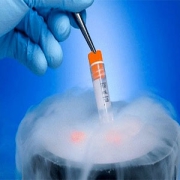
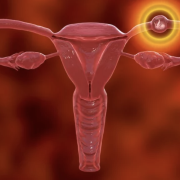
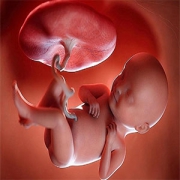
Artificial fertilization (IVF) is a technique that helps the embryo to fertilize, develop, and eventually implant in the mother’s uterus, so you can become pregnant.IVF stands for In-vitro . This method is one of the most well-known types of reproductive technology (ART). IVF is performed using a combination of drugs and surgical procedures to help fertilize the sperm with the egg after ovulation and help implant the embryo in the uterus.
Procedures for artificial fertilization with IVF:
1. Ovulation stimulation
First, the woman is prescribed drugs that stimulate ovulation. The first step in IVF is to use fertility drugs for a certain period of time to help the ovaries produce several mature eggs ready for . This is also called ovulation induction. During this period, regular ultrasound or blood tests are performed to measure the amount of hormones.
2. Ovulation
When the ovaries have produced enough mature eggs, the physician removes these eggs from the body (this procedure is called puncture). Egg retrieval is a minor surgical procedure performed in a fertility clinic. This surgery is performed under anesthesia so that the patient does not feel pain during the surgery. Using ultrasound, the physician inserts a thin, hollow tube through the vagina into the ovaries and follicles that hold the egg. This tool is equipped with a needle that gently pulls the eggs out of each follicle using suction.
3.Fertilization
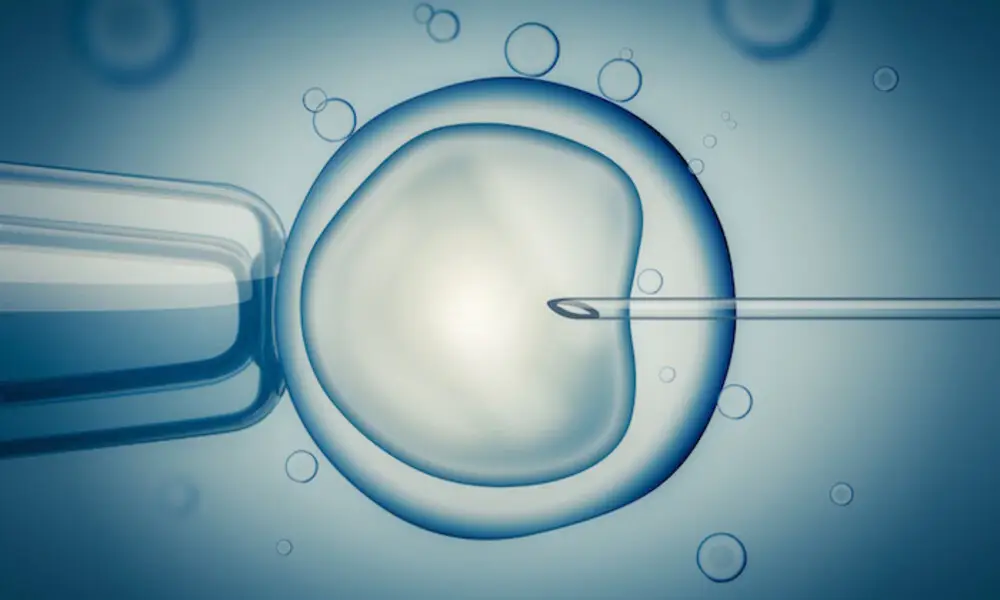
After these eggs mature, they are ready for . Then the eggs are removed from the uterus and they are placed next to each other with the sperm (husband’s sperm) in a laboratory so that the sperms fertilize the eggs. This process is called . Eggs and sperms are collected in a special container and takes place. For sperm that have less motility, it may be necessary to inject sperm directly into the eggs to promote . As the cells in the fertilized eggs divide and develop into embryos, people working in the lab monitor the progress.
4. Embryo transfer
About 3-5 days after ovulation, the embryo is placed in the uterus (this process is called embryo transfer). The physician inserts a thin tube into the uterus through the cervix and the fetus enters the uterus directly through the tube. They place one or more embryos directly into the uterus. Pregnancy occurs when each of the embryos implants in the lining of your uterus.
Sometimes pregnancy occurs on the first IVF, but some women need more than one cycle of IVF to get pregnant.
Does artificial fertilization with IVF hurt?
If any of the embryos implant in the lining of your uterus, pregnancy occurs. Embryo transfer is done in the fertility clinic and is not a painful procedure.
Care after infertility treatment with IVF:
Plan to rest the day after your embryo transfer. After that you can go back to your normal activities. Also, in the first two weeks after embryo transfer, you may take special pills or take hormonal drugs called progesterone daily. These hormones make the fetus survive in the womb.
What are the side effects of IVF?
Like all medications and medical procedures, IVF has risks and possible side effects, including:
Flatulence
Muscle cramps
Sensitivity in the breast
Mood swings
Headache
Bruising
Allergic reaction to drugs
Bleeding
Infection
You can talk to your physician about any questions or concerns you have about IVF risks and side effects.
How much does IVF cost?
The cost of the IVF process includes the cost of ovulation stimulation drugs, anesthesia, ultrasounds, blood tests, embryo transfer and embryo storage.
https://aminmc.ir/en/wp-content/uploads/2024/10/ivf.jpg300300adminaminhttps://aminmc.ir/en/wp-content/uploads/2024/03/LOGOHEAD.jpgadminamin2024-10-04 13:48:122024-10-04 14:14:36Artificial fertilization with IVF


 Menopause in women