
High risk pregnancy
High risk pregnancy
This article mentions the issue of high-risk pregnancy, which is very important in the life of a couple who want to taste the sweet flavor of parenthood. Stay with us so that we can provide you with information in this field to the best of our ability. Pregnancy may happen in difficult conditions or even in the best infertility treatment center, in such conditions it can be said that there is a possibility of danger in this pregnancy. That is why it is called a high-risk pregnancy. When we say high-risk pregnancy, some mothers panic and think that something must have happened, but in this situation, special care should be taken.
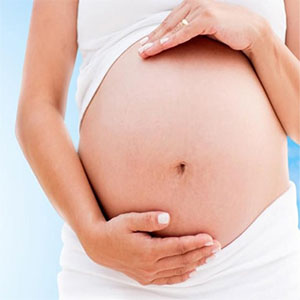
What does high-risk pregnancy mean?
Pregnancy is considered high-risk when a complication potentially threatens the mother or the fetus. In such a situation, the mother needs more care to be able to give birth easily, otherwise the mother or the fetus may be seriously injured. Generally, such people are monitored more than anyone else, and their physical and mental condition is constantly checked.
Warning signs of high-risk pregnancy
If you are in this very sensitive situation, any kind of symptoms should be taken seriously and you should see a gynecologist as soon as possible so that the risk of pregnancy can be reduced by clinical diagnosis and taking necessary measures. Among the symptoms indicating a high-risk pregnancy are as follows:
-Persistent lethargy
-Feeling severe pain in the abdomen or pelvis
-Heavy vaginal bleeding
-Abnormal vaginal discharge
-Rising body temperature
-Severe headaches
-Swelling in the hands, feet and face
-Experiencing frequent abdominal contractions
-Feeling of immobility of the fetus
What factors affect high-risk pregnancy?
There are some factors that can be very effective in a high-risk pregnancy, these factors are:
-If the mother is suffering from diseases such as diabetes, cancer, blood pressure fluctuations, epilepsy and infectious diseases.
-Mothers who are addicted to all kinds of drugs and alcohol will experience a high-risk pregnancy.
-Mother’s age is one of the most common factors of high-risk pregnancy. Mothers under 17 years old and over 35 years old are more likely to experience high-risk pregnancy.
-Experiencing repeated miscarriages can also lead to a high-risk pregnancy.
-Multiple fetuses
Medical care in high-risk pregnancy
In situations where a woman’s pregnancy is diagnosed as high-risk, it is very important to observe all medical care to prevent infection and complications during this period, including the following medical care:
-To ensure the physical condition and health of the fetus, ultrasound will be prescribed frequently.
-Blood pressure is also measured accurately, and to accurately calculate low or high blood pressure, you can write down the time and blood pressure level in a notebook.
-It is very necessary to perform blood and urine tests to measure the amount of protein and vitamins of the mother or to diagnose a urinary tract infection.
-In situations where the mother’s age is lower or older than the permissible limit and there is also a history of genetic diseases and birth defects in their family, the aminosynthesis test, which is known as a diagnostic test for birth defects, is prescribed.
-To control and manage a high-risk pregnancy, you should go to medical centers that are equipped with a high-risk pregnancy care department. You may also be hospitalized for a while to assess the health of the mother and the fetus.
Some of the self-care methods that have reduced the symptoms of high-risk pregnancy are as follows
-Having a healthy and light diet that includes a variety of vitamins and proteins. It can protect you from possible injuries.
-You can use vitamin medicines such as iron tablets and effervescent capsules of various vitamins.
-Avoid physical contact with people who have a virus or cold.
-You can use a suitable exercise program, don’t neglect yoga, because it can be very effective in reducing stress and anxiety.
Important points about pregnancy
Many experts in the field of infertility believe that the best way to treat infertility can be ectopic fertilization, although it may take time, but according to recorded statistics, a high percentage of infertility treatments belong to this method.
If you have any medical history, it is important to consult your physician before trying to get pregnant.
High-risk pregnancy can be managed and controlled with the methods we provide in this article.
Take the physician’s care recommendations regarding home activities seriously.
Screening to detect high-risk pregnancy
The purpose of screening is to check the health of the mother so that she can determine whether the mother is exposed to a certain disease or not. Screening during pregnancy is done from the very first meeting, when you visit the physician. These tests need to be done during pregnancy. Among these tests are as follows:
-Sonography
-Blood and urine tests
-Checking weight and blood pressure
-Performing physical examinations and complete health checks
Facing what symptoms, do you need to see a physician?
When visiting a physician, it is necessary to inform your physician if you have any kind of problem during pregnancy in order to be sure of your health and that of your baby. Among the symptoms that you need to see a physician are as follows:
-Having bleeding and watery discharge from the vagina
-Having severe headaches
-Abdominal pain or cramping
-Occurrence of fever and laser
-Swelling of hands and feet
-Having nausea and vomiting
-Changes in vision
Conclusion
Ladies who are planning to get pregnant, try to get more information by studying topics like this and start having a child with full knowledge. Also, get help from good specialists so that the chances of suffering from such complications will be significantly reduced.