Menopause in women
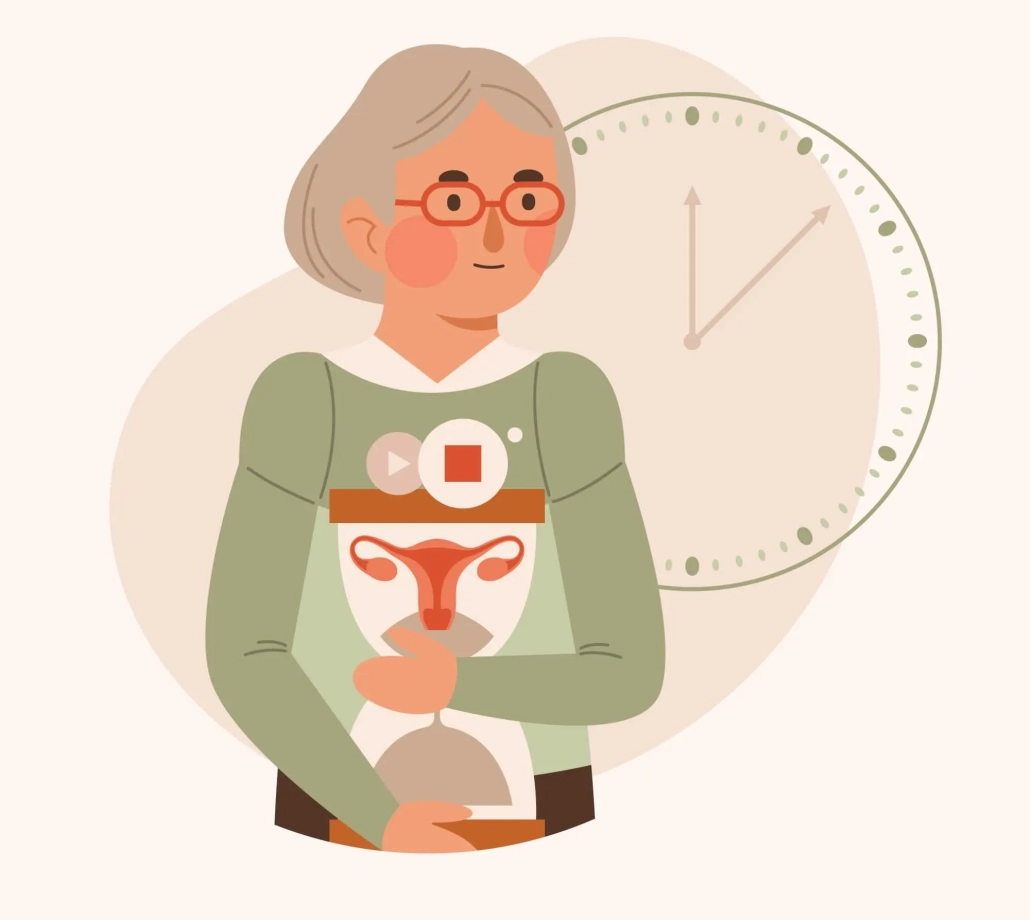
There are many surprises about the physical and mental structure of women, that active researchers in the fields of psychology and physical health are very interested in discovering the relationship between natural phenomena in the structure of women’s bodies and lives.
Contrary to the common belief of people who think of the human brain as an efficient organ separate from other parts of the body, the brain is completely in constant interaction and communication with other parts of the body. One of the parts that has a great impact on the brain of women is the reproductive system, which has an effect on the function and age of the brain of women due to the hormones it produces and secretes.
Menopause in women is one of the phenomena that make their physical conditions very different in middle age compared to men of the same age. These changes are the result of differences in their reproductive system and reproductive system.
Everything about the menopause process in women
In order to have a clear understanding of menopause in women, it is necessary to have a relative familiarity with the reproductive system and how it works.
Female reproductive system
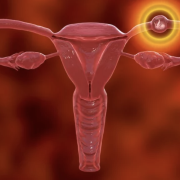
The female reproductive system consists of ovaries, fallopian tubes, uterus and vagina.
Ovaries contain sex cells called ovules. In the process of reproduction, the ovum combines with male sex cells (sperm) and forms an egg cell.
Ovaries release one egg every month, and the released egg enters the uterus through the fallopian tube.
The fallopian tube is actually a tube that connects the ovaries to the uterus, and there are cilia in its inner wall, the movement of these cilia is used to guide and move the egg, because eggs, unlike sperm, are cells. They are a big circle that can be seen with the naked eye and inside it contains nutrients for a possible egg cell. Among its other differences with sperm, we can point out that it does not have an organ to move and the inability to move spontaneously.
The uterus is the organ in which the formed egg cell is placed and is responsible for feeding and protecting the fetus.
Menstrual cycle in women
From the age of ten to fourteen, women’s bodies enter the puberty process and sex hormones are secreted from the ovaries under the command of the brain. Ovaries secrete estrogen and progesterone hormones, these hormones cause changes such as the increase in the size of the breasts, the growth of extra hair, etc. In puberty, these two hormones control the menstrual cycle and the ovulation process.
Menstruation is actually the shedding of the uterine wall that was prepared for a possible pregnancy.
With the release of estrogen from the ovary, ovulation takes place, and the released egg helps intensify the secretion of estrogen and start the secretion of progesterone, as a result, the wall of the uterus becomes thick and thick to protect and nourish the formed egg cell. When fertilization does not take place, the egg is excreted, and with the decrease in estrogen and progesterone secretion, the uterine wall collapses, and tissues and blood vessels are excreted from the body through menstruation.
Menopause process in women
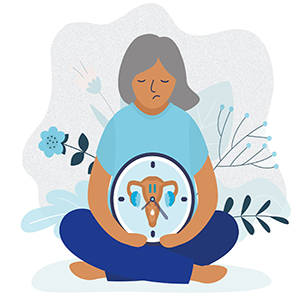
Every woman is born with all the eggs that she is going to release during her life, and every month one of the eggs, which was stopped in zero state of meiosis division, starts to complete the division and is released during the ovulation process. This process is repeated monthly in the body of women until the age of 45 to 55 years.
When a person reaches this age range, the ovaries do not respond to the stimuli sent from the brain to secrete estrogen and progesterone hormones, and the process of ovulation and menstruation stops, which leads to menopause and infertility.
Menopause symptoms in women
Menopause occurs when the estrogen and progesterone hormones in women decrease, and the changes caused by this event include: negative changes in women’s mood, feeling hot and hot flashes, dryness in the vagina, and an abnormal increase in the secretions of the sweat glands.
Reduction of menopausal symptoms
When a person approaches menopause, symptoms such as hot flashes, night sweats, physical changes such as depression, vaginal dryness, urgent need to urinate, etc.
Now, to reduce these symptoms, you can use natural methods, which include the following.
- Be sure to eat foods rich in calcium and containing vitamin D.
- Try to always keep your weight stable so that the symptoms of menopause will decrease.
- Don’t forget to eat fruits and vegetables because it helps to reduce the symptoms of menopause and also prevents the loss of bones.
- Avoid caffeine, alcohol and sweet and spicy foods.
- Do not forget to exercise because it greatly reduces the symptoms of menopause, including sweating and hot flashes, and helps the health of the bones and joints of the body.
- Drink enough water throughout the day.
- Try to consume more proteins such as meat, fish, eggs, etc.
Complications after menopause in women
Menopause in women is a background for diseases such as osteoporosis, because the decrease in estrogen levels in women’s bodies causes a decrease in bone-forming cells, and the possibility of developing osteoporosis increases.
Benefits of menopause in women
In addition to the complications that menopause may have, it also has benefits that can be mentioned below.
Stopping menstruation
There are some people who have a difficult period, menopause can help a lot to end this difficult period.
Not having to worry about sex
As it was said, reproduction also stops with menopause, this does not mean that you don’t have sexual desire, because you can enjoy sex during menopause. Also, one of the problems of women is getting pregnant during sex, menopause in women makes them stop worrying about this issue.
Destruction of fibroids
Fibroids are benign tumors, when you approach menopause, the level of estrogen increases and this leads to the termination of fibroids, in this case, surgery is no longer necessary.
End of migraine
Migraines are more common in women than men, usually most women suffer from migraines during menstruation. When ovulation begins, a person suffers from migraine headaches, which are only in one part of the head and are accompanied by nausea, vomiting, and sensitivity to light, which also resolves with the onset of menopause.