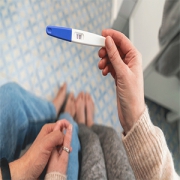
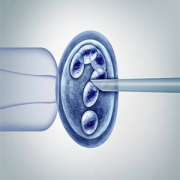
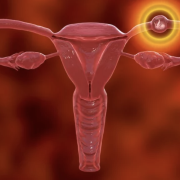
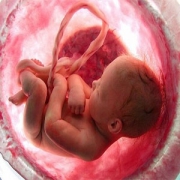
A woman who plans to get pregnant experiences motherhood with thousands of hopes and tastes the sweet flavor of having a child, but after some time, she may have a spontaneous abortion due to various reasons. A feeling that can be very difficult for all pregnant women. The statement that women’s wombs are no longer able to conceive can be very bitter, but with the advancement of science and technology, this problem can be cured. We promise the women who have experienced this bitter event, there is no more place to worry regarding frequent abortions, and they can save their fetus and after a long but sweet wait, take their beloved child into their safe arms. to press so, read this article to the end.
Recurrent miscarriage
What is abortion?
In some cases, pregnant women may have an abortion without any reason, in which can be said that women do not have any special role in the occurrence of this problem and it may occur due to other reasons. On the other hand, if a woman decides to terminate her pregnancy, it is still called an abortion.
Types of abortion
There are three types of abortion:
Medical abortion
Surgical abortion
Spontaneous abortion
-A woman takes medicine to end her pregnancy.
-A woman has surgery to end her pregnancy. This type of abortion is usually performed in the first trimester (first 3 months) of pregnancy. A physician or other health care professional performs the procedure. It is done in a hospital, physician’s office or health center.
-A woman loses her fetus for some reason.
Cause of abortion
Reasons that cause growth disorders and unwanted abortions; as follows:
Vascular disease (such as lupus)
Diabetes
Hormonal problems
Infection and abnormalities of the uterus
Mother’s age
History of spontaneous abortion
Poor diet or malnutrition
Basic conditions and lifestyle habits
Smoking and use of drugs and alcohol
Untreated thyroid disease
Excessive obesity or thinness
Cervical problems
Abnormal uterine shape
Severe blood pressure
Food poisoning
Taking certain medications
Exposure to harmful chemicals or radiation therapy
Health conditions and different life habits may also interfere with the development of the fetus.
Exercise and having sex do not cause abortion.
Work will not affect the fetus either, unless you are exposed to harmful chemicals or radiation therapy.
Symptoms of miscarriage
Abortion brings signs and symptoms for a person, which include the following:
Spotting
Heavy vaginal bleeding
Discharge of tissue or liquid from the vagina
Severe pain
Abdominal cramps
How to diagnose recurrent miscarriage
In order to diagnose recurrent miscarriage, various methods are used, the most important of which are the following:
Blood test to check thyroid hormone
Checking the safety system
Examination of the body in terms of not having any type of underlying disease
Conducting the necessary checks to avoid any type of infection
Complete examination of the couple’s chromosomes
Complete examination of the woman’s uterus in order not to have any type of problem or abnormality
Ways to treat abortion
Abortion treatment depends on the type of miscarriage you have experienced. If you had an unwanted abortion and there was no tissue of the fetus in your uterus, that is, the abortion was done completely, no special treatment is needed, only post-abortion care is more important.
If you still feel a certain tissue in your uterus after a miscarriage, it can be treated in different ways:
-Waiting: This is where you wait for the remaining tissue to leave your body naturally
-Pharmaceutical or medical: That involves the use of drugs to help easily remove the remaining tissue.
-Surgery: This involves surgically removing any remaining tissue in the uterus.
Tip
The risk of complications from any of these treatment options is very small, so you can work with your physician to determine which one is right for you.
Physical recovery
How your body recovers, depends on how pregnant you were before the miscarriage. After a miscarriage, you may experience symptoms such as spotting and abdominal discomfort.
While pregnancy hormones may remain in the blood for several months after a miscarriage, you should resume normal periods in four to six weeks.
Necessary points after abortion
It’s normal to experience a wide range of emotions after a miscarriage. You may also have symptoms such as sleeping trouble, low energy, and frequent crying.
If you are too upset, get help. Your family and friends may understand how you feel, so tell them how they can help.
Store any baby mementos, maternity clothes, and baby gear until you’re ready to see them again.
Seek advice from a therapist. Counselors can help you deal with feelings of depression, loss, or guilt.
If you are trying to get pregnant again, have sex as soon as you feel ready because you usually get fertile soon after a miscarriage.
Miscarriage usually happens only once. However, if you have had two or more miscarriages in a row, an infertility treatment center will recommend tests to find out what may be causing your miscarriage. These include the following:
Frequently Asked Questions
At what stage is abortion safe?
Abortion before 63 days of pregnancy is safe. Vacuum aspiration in the first trimester is the safest surgical procedure and can be performed in a primary care office, abortion clinic, or hospital.
Can abortion be prevented?
In answer to this question, we must say that there are various methods to prevent abortion, for example, obesity is one of the things that increases the possibility of abortion in women. So, considering the importance of this issue, it is better to prevent your weight from increasing and always have an ideal weight.
Does spotting indicate miscarriage?
In answer to this question, it should be said that with the onset of pregnancy, menstruation stops naturally, so you must not see any spotting or bleeding during pregnancy. One of the most important points during pregnancy is that if the spotting is in the first trimester of pregnancy, it is called an unwanted abortion, and for further investigations, it is necessary to do an ultrasound.
What are the complications of having repeated abortions?
Having a central abortion can bring a lot of complications and physical risks for the couple, therefore, the most important complications can be mentioned as follows:
– Depression
– Infection
– Anemia
– Creating intrauterine adhesions
– The need for surgery to remove the remaining fetus
Conclusion
Unintended abortion is an unpleasant experience after which the mother must rebuild herself and think about a safe pregnancy again. You may experience a wide range of emotions after a miscarriage. If you need to talk about your feelings, call an infertility treatment center and ask about post-abortion counseling.
https://aminmc.ir/en/wp-content/uploads/2024/03/تاپیر-عفونت-واژن-روی-جنین.jpg300300adminaminenhttps://aminmc.ir/en/wp-content/uploads/2024/03/LOGOHEAD.jpgadminaminen2024-03-26 07:17:332024-09-07 06:42:00The effect of vaginal infection on the fetus


 Infertility treatment for elderly couples