The role of genetics in infertility

One of the problems that may arise between couples today is infertility and not having children. Infertility may be caused by various reasons. One of the things that may cause this disease is genetic disorders and defects among men and women. If you have no information about the role of genetics in infertility, be sure to stay with us until the end of the article.
Unfortunately, between 10 and 15 percent of Iranian couples are infertile. Statistics show that the cause of infertility in more than half of couples is due to defects in the production or transfer of sperm in men. Humans have complex biological components, and some of these complex components can affect reproduction. If some of these components cannot function properly, genetic problems cause infertility. Diseases related to genetics are such that there is either a chromosomal defect, or they are monogenic. As a result, some chromosomal defects lead to infertility.
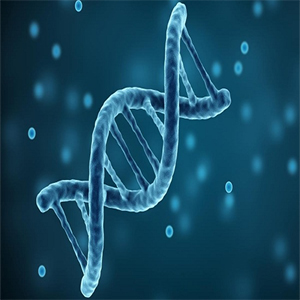
A definition of genetics is the transmission of traits from one generation to another. Genetics in the field of infertility is divided into two parts, male and female. If a certain chromosome is missing in men, they suffer from infertility. If the same chromosome is more common among women, women will suffer from this disease. Now let’s see what is the role of genetics in infertility.
What is the role of genetics in infertility?
It should be said that the effect of genetics on infertility is divided into two categories, which includes the effect of genetics on men and women. The most important role of genetics in infertility is to be able to know the genetic causes of infertility. On the other hand, we should know how to give birth to a healthy child. If we understand the importance of genetics in infertility, we can prevent the birth of a disabled baby. Infertility is a disease caused by various factors. One of the causes of this disease is genetic factors. An important point is that one of the simplest and cheapest ways to diagnose genetic disorders is counseling in this field.
What is the role of genetics in female infertility?
Among the causes and factors of infertility in women, we can mention hormonal problems as well as the abnormality of the female sex cell (egg). Genetic factors can cause this problem, may even affect them. Genetics is very effective on female infertility (Turner syndrome). Fertilization as well as pregnancy can be reduced due to genetic abnormalities.
The role of genetics in female infertility can be explained by the following genetic defects and mutations:
1- Mutations in genes related to coagulation factors and blood hemoglobin, which lead to frequent miscarriage, late puberty and infertility.
2- Aneuploidy or (change in the number of chromosomes) that leads to infertility or premature menopause.
3- Some syndromes that are caused by genetic defects and cause infertility in women.
What is the role of genetics in male infertility?
Among the causes of infertility in men are:
Congenital disorders in the reproductive system
Mumps disease
Genetic disorders
Autoimmune diseases
About 30% of men suffer from infertility due to genetic defects. In addition, genetic disorders created among men in 30% of cases make men infertile.
When genetic disorders and chromosomal defects occur, they cause the loss of sperm or its reduction, as well as the abnormal shape of sperm and changes in its movement. Among the most important genetic disorders that cause infertility in men, the following can be mentioned:
1- The number of sex chromosomes or the structure of sexual and non-sexual chromosomes of men is defective.
2- The anatomical structure of the male reproductive system is defective.