
Null pregnancy
What is a null pregnancy?
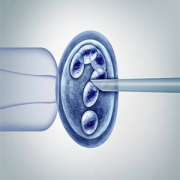
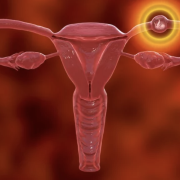
Pregnancy occurs when a female egg is fertilized by a male sperm and a placenta cell is formed. This cell attaches to the wall of the uterus and grows, if its growth is not normal, abnormal lumps are formed and it shows certain symptoms, it can be said that a null or molar pregnancy has occurred and you should see a physician.
At first, null pregnancy is like a normal pregnancy, but then it causes certain signs and symptoms that are listed below:
-Dark brown to bright red vaginal bleeding in the first trimester of pregnancy
-Severe nausea and vomiting
-Pelvic pressure or pain
-Discharge of cysts in the form of clusters of grapes
-High blood pressure
-Hyperthyroidism
-Pre-eclampsia, which causes an increase in maternal blood pressure and excretion of protein from the urine after the 20th week of pregnancy.
-Disproportionate growth of the uterus
How is false pregnancy diagnosed?
The physician uses ultrasound and blood tests to diagnose false pregnancy; In ultrasound, with the help of sound waves and a screen, the fetus inside the uterus is observed. A blood test is also prescribed to measure the level of the pregnancy hormone called human chorionic gonadotropin (HCG). The level of this hormone is much higher in null pregnancy compared to normal pregnancy.
Null pregnancy diagnosis
There are two types of null pregnancies:
Complete null pregnancy:
In which the placenta tissue is abnormal and swollen and fluid-filled cysts are formed.
Partial null pregnancy:
: fetal tissue may be formed in it, but it is abnormal along with placental tissue. Maybe the embryo is formed, but the embryo is not able to survive and is usually aborted early in pregnancy.
Why do null pregnancies occur?
Egg and sperm each separately contain 23 pairs of chromosomes, and when the fertilization process takes place, the embryo cell receives genetic material from both the parent’s sex cells and normally contains 46 chromosomes. While in a complete null pregnancy, the abnormal egg is fertilized by one or two sperms and the resulting cell only contains the genetic material from the father, and the mother’s chromosomes are lost, and all its genetic material is received from the father.
In an incomplete null pregnancy, the mother’s chromosomes remain, but two sets of chromosomes are formed from the father’s chromosomes, as a result, the embryo cell has 69 chromosomes instead of 46 chromosomes, and most of the time it happens when two sperms have fertilized the egg.
It should be said that in both cases, the formed embryo cell does not have much chance to survive.
What factors cause null pregnancy?
It is not known exactly what factors are involved in the formation of molar tissue, but the following can be said to increase the risk of molar or null pregnancy:
Approximately one out of every 1000 pregnancies is diagnosed as null pregnancy. Various factors are related to null pregnancy:
Maternal age: Women over 35 years old and under 20 years old are more likely to suffer from null pregnancy.
Miscarriage history: If a woman has a history of miscarriage, there is a high probability that her subsequent pregnancies will be miscarriages.
However, to avoid null pregnancies, talk to your physician before trying to get pregnant again. It is recommended to wait six months to one year before trying to get pregnant again.
It should be noted that if not treated on time, null pregnancy can be dangerous for a woman and lead to the loss of pregnancy ability or sometimes it can cause a rare type of cancer.
Approximately less than 1% of every 1,000 pregnancies in the United States are null.
How is null pregnancy treated?
In case of null pregnancy, the physician uses the following treatment methods:
Medicines: The physician prescribes certain medicines to heal the uterus and prevent the growth of molar cells.
Curtage: Curtage is used to remove molar tissue from the inner lining of the uterus, which takes between 15 and 30 minutes. After that, the HCG hormone level is measured regularly until it reaches the normal level. This may take anywhere from 6 months to a year to ensure that there is no molar tissue in the uterus. Of course, it is recommended to avoid pregnancy during this period. Getting pregnant changes the amount of HCG hormone and makes it difficult to detect molar tissue.
Chemotherapy: Chemotherapy is a method used to destroy cancer cells. In this method, the woman’s fertility is not affected, and menstruation usually starts 2 to 6 months after the end of chemotherapy.
Removing the uterus: If there is a lot of molar tissue in the uterus and the patient does not intend to get pregnant again, the physician may choose the method of removing the uterus. Hysterectomy is a surgical procedure to remove the uterus.