
Medical diseases
Medical diseases
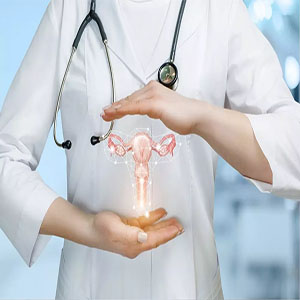
In some cases, the causes of infertility are not such that they can be solved by prescribing drugs or advanced methods of infertility treatment. For example, some women are deprived of the possibility of fertility due to their old age, early menopause and other disorders, despite the fact that their reproductive organs are healthy due to the lack of eggs. But today, with the advancement of technology in the field of infertility treatment, there is no need to worry anymore. For these people, the only way of fertility is to receive a donated egg from a volunteer. The use of donated eggs has been used for many years in our country after going through the religious and legal procedures, and the best infertility and IVF specialists provide the possibility of fertility and having children for infertile women.
In what cases should a donated egg be used?
1- Primary failure or premature ovarian failure
2- Prevention of transmission of certain genetic diseases to the fetus
3- Reduction of ovarian reserve
4- Low quality embryos repeatedly in previous IVF cycles
5- Age over 44 years
Egg donor conditions:
A person who volunteers to donate eggs must be examined by a physician specializing in infertility and IVF. In addition to having legal conditions, it is also necessary to perform a series of tests and ultrasound. Other conditions are:
1- Age of 21-34 years old
2- Having a history of pregnancy and live birth
3- Healthy in terms of physical, mental and other diseases, including infectious diseases
4- Healthy screening tests for hepatitis B, hepatitis C, AIDS, syphilis, sexually transmitted infections, blood test for thalassemia and blood group, non-addiction test
5- Having enough ovarian reserve
6- In our country, other conditions that are in accordance with Sharia are also necessary.
Stages of pregnancy with a donated egg
In the method of pregnancy with donated eggs, a donor is needed who has a good ovarian reserve after checking her conditions, including: being under 35 years old and going through a healthy pregnancy and…
It is also necessary for a couple who wants to be treated with egg donation to be consulted by an infertility and IVF specialist and to consider all aspects of this work, including mental, psychological and other issues, and to start the treatment with full knowledge. The egg donor must also have sufficient knowledge about all the steps and give her written consent. After these steps, in this method, the donor is stimulated by the use of medication, and after the acceptable number of follicles are reached, the eggs are retrieved through a small surgery and taken in the laboratory environment and are fertilized by the sperm of the man who is the husband of the recipient of the egg. The uterus of the recipient (infertile) is also prepared at the same time after taking the medicine, and the embryo resulting from this fertilization is transferred to the uterus of the infertile woman.
Nutrition before pregnancy
One of the most important points before pregnancy is to have a healthy and complete diet. All food groups should be used in the diet.
Vegetables, fruits, dairy products, protein, seeds and legumes should be consumed in sufficient quantity.
An important point in pre-pregnancy nutrition is to use a sufficient amount of folic acid. Folic acid is a type of B vitamin. The lack of this substance should cause common and serious neurological defects in the neural tubes of the fetus. Spina bifida and anencephaly are two diseases that cause defects in the formation of neural tubes in babies, which are formed in the first 3-4 weeks after conception. At this time, many mothers are still not aware of their pregnancy. Therefore, it is essential that the amount of folic acid in the mother’s body is provided before becoming pregnant.
Drinking alcohol and smoking should be stopped before trying to get pregnant.
pregnancy symptoms
The early symptoms of pregnancy are:
swollen and painful breasts;
nipple darkening;
nausea that may be accompanied by vomiting;
strong desire or aversion to certain foods;
fatigue;
Frequent urination;
spotting;
flatulence;
feeling of cramping in the uterus;
vaginal secretions;
sensitivity to smell;
runny nose;
Headache;
constipation;
Mood changes and sometimes nervousness;
feeling dizzy and light in the head;
Shortness of breath.
Nutrition during pregnancy
Nutrition during pregnancy is one of the most important factors affecting the health of the mother and baby. Expert advice will help you follow the right diet during pregnancy. The energy intake of pregnant women should be 340 to 450 calories more than normal people. Diet during pregnancy should include the following ingredients:
Complex carbohydrates
Protein
Vegetables and fruits
Cereals and legumes
Healthy fats
Foods rich in fiber
Food rich in iron, zinc, folic acid and so on…