
endometriosis
endometriosis
One of the most common diseases in women is endometriosis, which affects one in four people. This disease occurs when endometrial glands and uterine lining grow outside the uterus. The pelvis is one of the most common parts of the body for endometriosis. In this case, the uterine mucus has a lot of activity and is formed outside the original place. Endometriosis tissue can be produced in all tissues of the body except the spleen, in the lower part of the body, in the region of the ovaries, more than in other organs. During menstruation, these areas bleed and cause women to endure a lot of pain and discomfort during this period. The prevalence of endometriosis has not been determined yet, but researchers estimate the prevalence of this disease at 1-10%. The average age of this disease is 25 to 40 years old. Endometriosis causes 5 to 35% infertility in women.
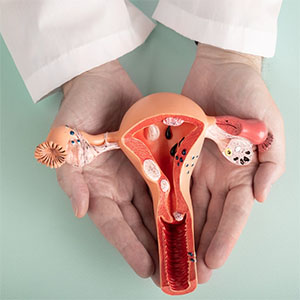
Endometriosis in women
Symptoms of endometriosis
In many cases, endometriosis is asymptomatic, but sometimes gets symptomatic, and its symptoms are:
Pelvic pain is one of the first and most obvious symptoms of endometriosis, this pain worsens with time. Pelvic pain and muscle cramps may begin before menstruation and continue for several days after menstruation.
-Having painful menstruation
-You may have excessive bleeding during menstruation or even bleeding between periods.
-Pain during or after intercourse with the spouse
-Pain during defecation and urination
-Abdominal cramping during intercourse
-Infertility in women
-Pain during pelvic examination
-Diarrhea
-Constipation
-Tiredness
-Bloating and nausea during menstruation
The symptoms of endometriosis during pregnancy disappear temporarily and with the cessation of periods in menopause, its symptoms disappear.
Factors increasing the incidence of endometriosis
With any age group, you may get endometriosis, but there are some factors that increase the percentage of getting this disease:
-It is mostly seen in people aged 30 to 40 and people who are not pregnant.
-One of the family members or even relatives is infected with this disease
-Alcohol consumption
-Lack of sports activities
-Caffeine consumption
-Having heavy bleeding during menstruation, means more than 7 days
-Autoimmune diseases
-Having allergies (asthma)
-Having ovarian cancer and breast cancer
The cause of endometriosis
Retrograde menstruation: the most common cause is endometriosis, in this case, menstrual blood does not leave the body and the uterine tubes help endometrial cells enter the pelvic area and bleeding occurs during this period.
Growth of fetal cells: Pelvic and abdominal cavities can be covered by endometriosis cells. After covering several areas, it becomes endometrial tissue, resulting in endometriosis.
Transport of endometrial cells: Blood vessels or fluid formed by lymph carry endometrial cells to other parts of the body.
Problem in the immune system: the existence of weakness in the body’s immune system makes the body unable to recognize the endometrial tissue that is made outside the uterus and cannot destroy it.
The relationship between endometriosis and infertility
Infertility in patients with endometriosis is because the tissue in any part is not destroyed by the immune cells when the menstrual blood returns from the tubes to the abdomen, or if genetically suitable conditions for the development of endometriosis are created. And endometriosis deposits are obtained. The growth and properties of the tissue are such that it can destroy a major part of it by entering the ovary area. Another way to cause endometriosis infertility is the damage it causes to the tubes. In this way, the tubes lose the necessary wave movement to transfer the egg into the uterus and they cannot reject the egg due to the adhesions that are created in it. Also, the occurrence of infertility with endometriosis is due to the secretion of substances that are created from the tissue and can affect the function of the egg.
Diagnosis of endometriosis
The stages of diagnosing endometriosis include the things that physicians do in this regard, including: The specialist asks questions about the symptoms of the patient’s monthly habits and her medical and family history. The gynecologist will perform pelvic checkups. In this situation, the physician may examine all the lower parts of the body. If the physician finds out that the patient has endometriosis, he/she first prescribes medicine for a few months. If the patient’s condition improves after taking medicine, the patient probably has endometriosis. To diagnose endometriosis and find symptoms of ovarian cysts, the patient should undergo an ultrasound, MRI or CT scan to obtain an image of the inside of the abdomen. In order for the physician to know that the patient has endometriosis, he/she performs laparoscopic surgery. In this surgery, the examination of the patient begins with thin tubes that have a small camera by making a small incision on the abdomen. During laparoscopic surgery, if the physician sees scar tissue or blood cysts, he removes them from the patient’s body
Treatment of endometriosis
Painkillers, as well as hormone therapy: will be effective in reducing pain in endometriosis. The rise and fall of hormones during the menstrual period cause the endometrium to thicken and bleed. By using this treatment method, the growth of endometrial tissue is reduced.
Surgery: If you have endometriosis and you plan to get pregnant, surgery will be a useful method to remove endometriosis while your uterus and ovaries remain healthy.
Assisted Fertility Method: In vitro fertilization is a better choice for getting pregnant than surgery.
Hysterectomy: In severe cases of endometriosis, surgery to remove the uterus and ovaries must be performed. But this method should not be enough because estrogen has the ability to stimulate endometriosis left in that area. It should be said that after hysterectomy, pregnancy will not be possible for women.
Last word
In endometriosis, the lining of the uterus is profuse and forms outside the original place. This tissue is likely to be made in all tissues of the body except the spleen, but in 50% of the cases seen in the pelvis, the ovaries are formed more often than other organs. At the same time as menstruation, these points bleed and cause a lot of difficulties for the person. Endometriosis in Iran is an unknown disease, there is no specific treatment and there are not many treatment centers for it. The number of centers that research endometriosis and know how to treat it is very few and limited. Endometriosis requires a group of treatment specialists including gynecologists, surgeons, urologists and psychiatrists. According to the severity and conditions of this disease, various treatment methods are used such as hormone therapy, diet therapy and surgery. Laparoscopy is an inseparable method of diagnosing and treating endometriosis, and it must be said that the person who performs this operation must have a lot of expertise in this regard, because not having enough experience and knowledge, not only the patient’s problem does not improve, but also causes more pain to her problems.