
Early menopause
Premature menopause or POF
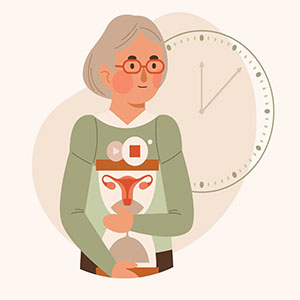
Premature ovarian failure or early menopause is the loss of ovarian function before the age of 40. In this case, the monthly period stops and the amount of estrogen hormone decreases and the amount of follicle stimulating hormone (FSH) increases. One to 4% of the female population suffers from this disease and infertility is one of its consequences. Normally, girls are born with ovaries that contain enough immature eggs. From the time of puberty until the age of 50, one egg is released from one of the ovaries every month until the egg reserve ends and menopause occurs. However, in girls and young women who suffer from premature ovarian failure, the eggs are lost or fail at a young age. As a result, the young patient experiences early menopause. This early menopause usually occurs at the age of 40, but it may even extend into adolescence.
Signs
Women with early menopause lose their monthly period. Sometimes their period may be normal for a few weeks but disappear after a few months. These women may experience hot flashes and night sweats. Also, menstruation and hot flashes may coexist. Other symptoms include insomnia, lethargy, vaginal dryness, fatigue, low libido, painful intercourse, and urinary incontinence.
Early menopause treatment
In general, this disease is treated with the help of hormones. Hormone therapy is done with more than what is prescribed for postmenopausal women. The treatment starts with a low amount and the amount of hormone is gradually increased. Usually estrogen and progesterone hormones and sometimes testosterone are used.
Sometimes birth control pills are preferred over hormone therapy. Proper diet and regular exercise are also beneficial. So far, there is no way to treat the infertility of these women and only donor eggs can be used.